Middle school students around the state returned to school this year with a renewed passion for learning and new goals to achieve. This summer, the Alaska Native Science & Engineering Program helped students discover future careers through immersive Career Explorations opportunities across Alaska.
With sessions focused on renewable energy, marine science, aviation, and field ecology, the opportunity is designed to move learning beyond the classroom and bring students together with professionals to gain firsthand insight into STEM careers.
Designed for students entering sixth through eighth grade, ANSEP Career Explorations provides engaging, five-day STEM experiences that reconnect students with ANSEP while introducing them to career opportunities.
The program is geared toward students with a strong interest in science and mathematics who are preparing for rigorous school coursework, including Algebra I.
“Career Explorations is a key part of the ANSEP pipeline because it helps students discover what’s possible and understand different career paths at an early age,” said ANSEP Executive Director Matt Calhoun. “We provide a supportive environment where students can learn through hands-on experiences and mentorship, gaining the confidence to see themselves pursuing these careers in the future.”
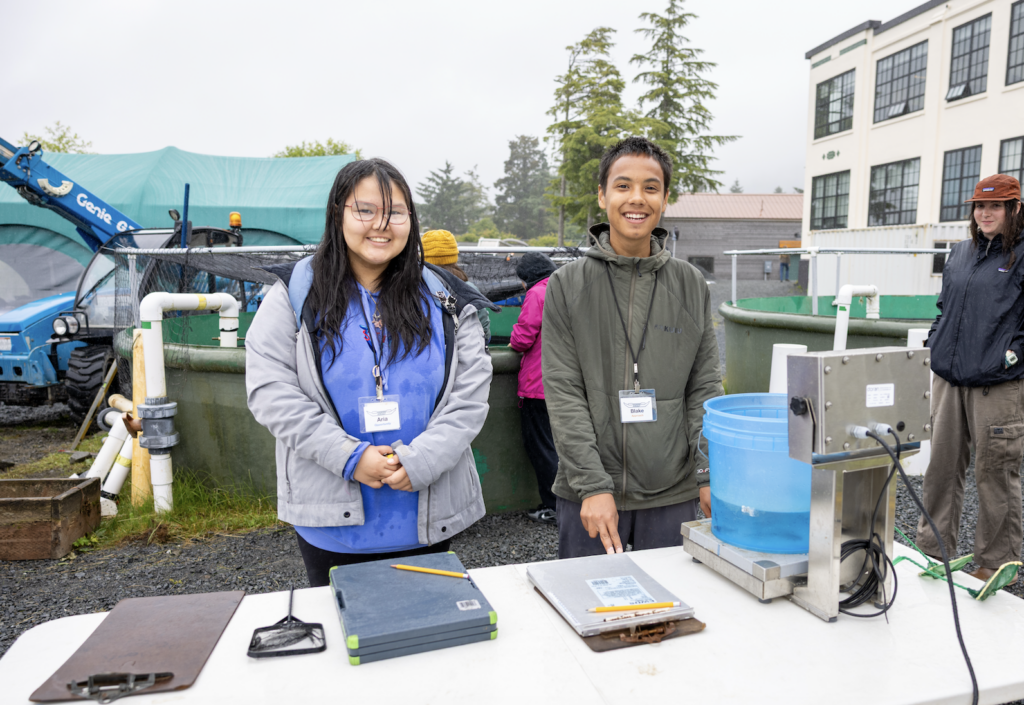
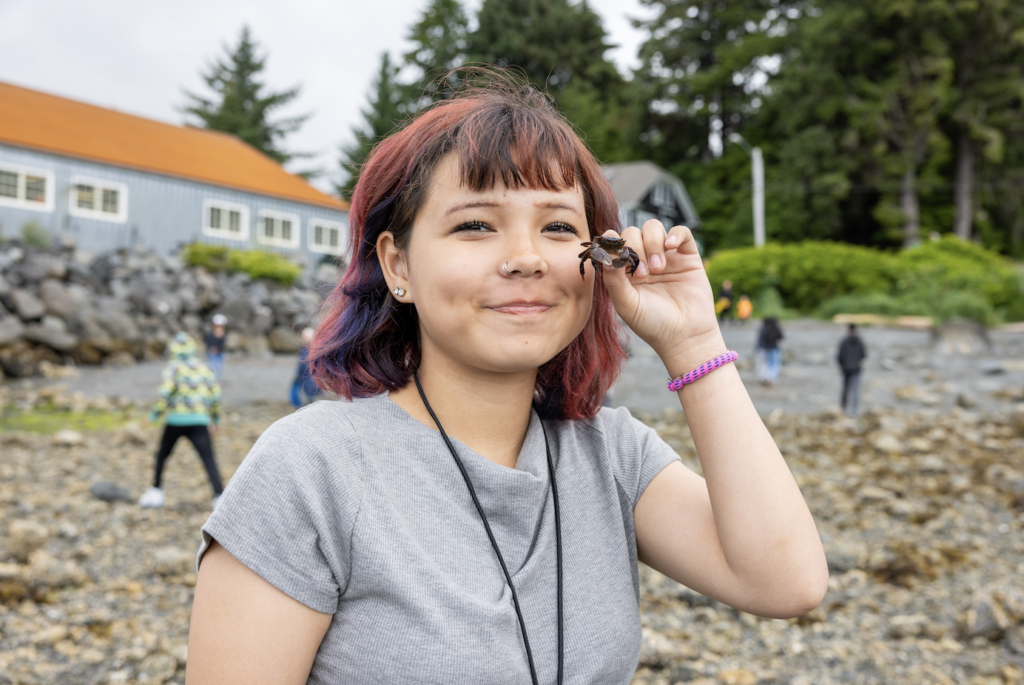
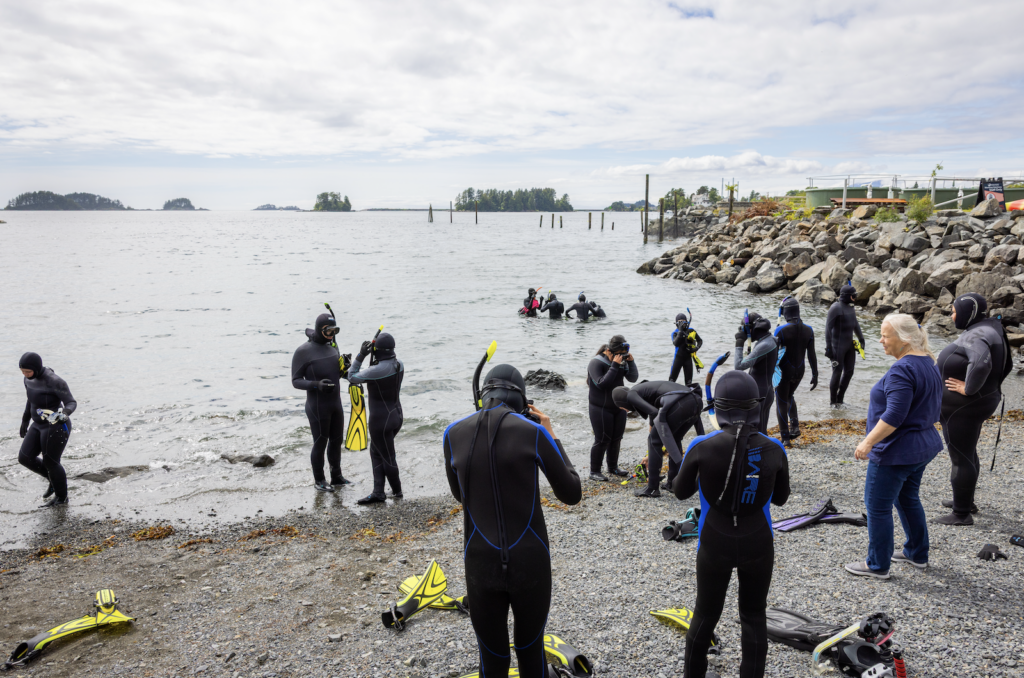
ANSEP’s Marine Science Career Explorations, in partnership with the Sitka Sound Science Center, brought students to Sitka to explore Alaska’s coastal ecosystems through field research and outdoor learning. Students conducted intertidal investigations, snorkeled, hiked through the Tongass National Forest, studied marine debris, toured hatcheries and aquariums, participated in an Allen Marine wildlife cruise, and worked alongside scientists to better understand Alaska’s marine ecosystems.
During Renewable Energy Career Explorations in Anchorage, students learned how communities generate, distribute, and conserve energy through engineering challenges and interactive projects. Throughout the week, participants built energy-efficient homes, explored insulation and heat transfer, investigated solar technology, toured energy facilities, and heard from professionals working in Alaska’s renewable energy sector.
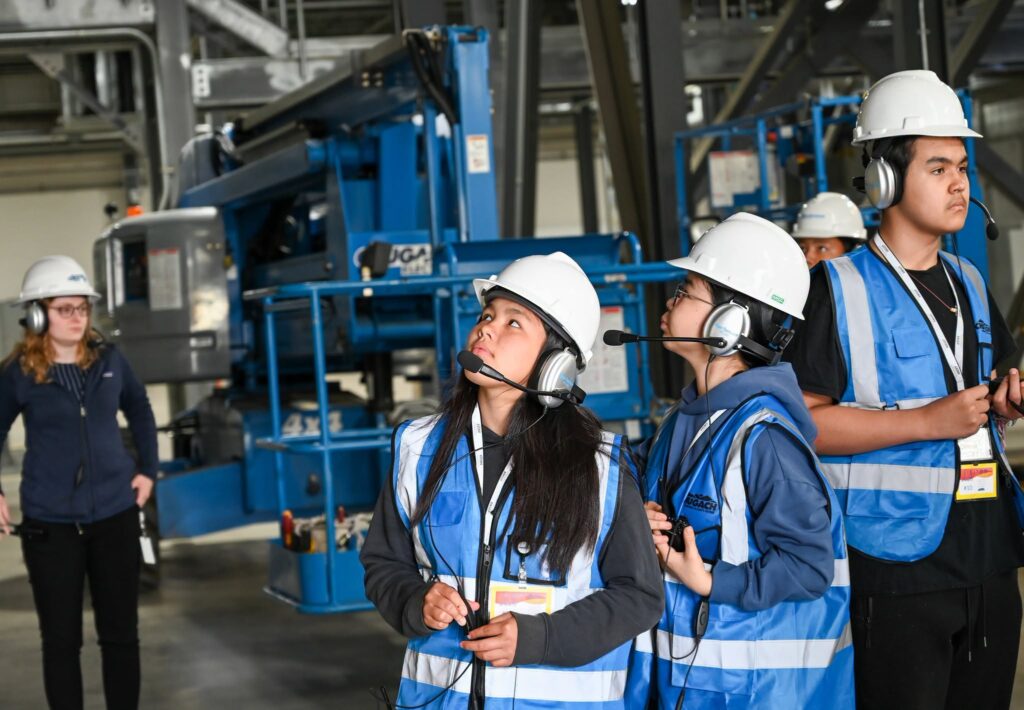
Students participating in Aviation Career Explorations gained an inside look at Alaska’s aviation industry through hands-on activities, site visits, and interactions with aviation professionals from partners including Alaska Airlines and ConocoPhillips. Students learned about aviation careers from a ConocoPhillips pilot, toured the Ted Stevens Anchorage International Airport and Alaska Airlines hangar, and visited Joint Base Elmendorf-Richardson for behind-the-scenes learning about aviation operations and careers.
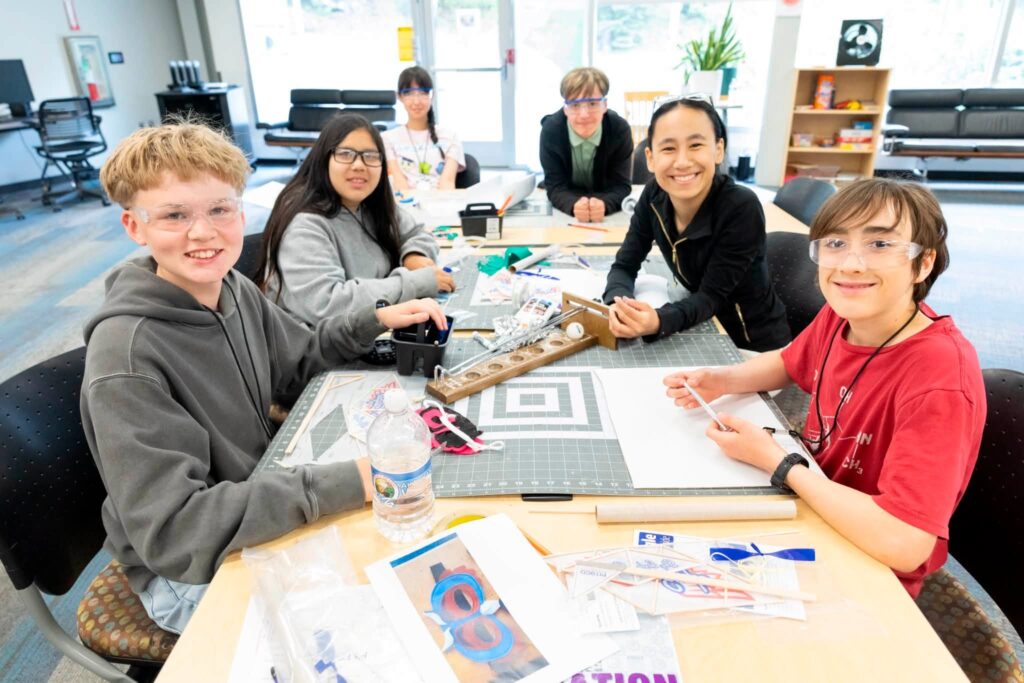
Students also put engineering concepts into practice by building balsa wood SkyEagle airplanes. These experiences helped students develop a deeper understanding of the technology, people, and operations behind an industry that plays a vital role in connecting communities across Alaska.
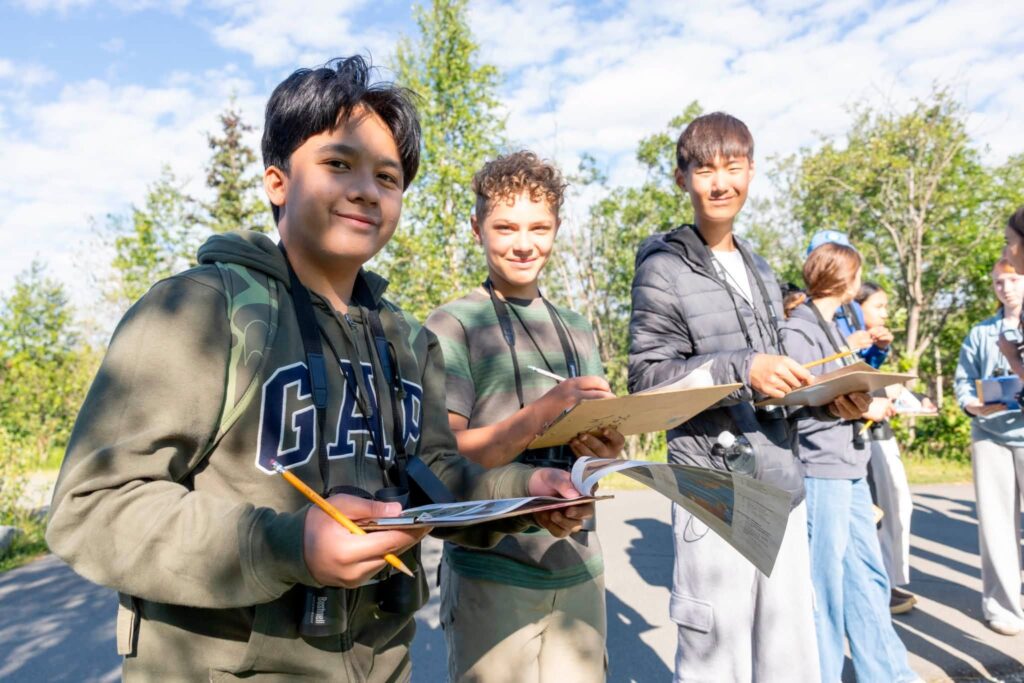
During Field Ecology Career Explorations, students explored Alaska’s ecosystems and learned about wildlife biology, habitat management, conservation, and environmental science through field-based activities in partnership with the Bureau of Land Management.
Students spent time learning with professionals from the Bureau of Land Management and visited Potter Marsh, Westchester Lagoon, and the Campbell Creek Science Center. Through direct observation, outdoor learning, and engagement with professionals in the field, students gained a deeper understanding of environmental stewardship and the science and careers dedicated to studying and protecting Alaska’s natural resources.
Career Explorations is part of ANSEP’s comprehensive educational pathway, which supports students from kindergarten through graduate school and into the workforce. By connecting students with meaningful STEM learning opportunities early, ANSEP helps prepare the next generation of Alaska’s scientists, engineers, researchers, conservationists, and industry leaders.
This article was originally published in The Delta Discovery. Read the full article here.