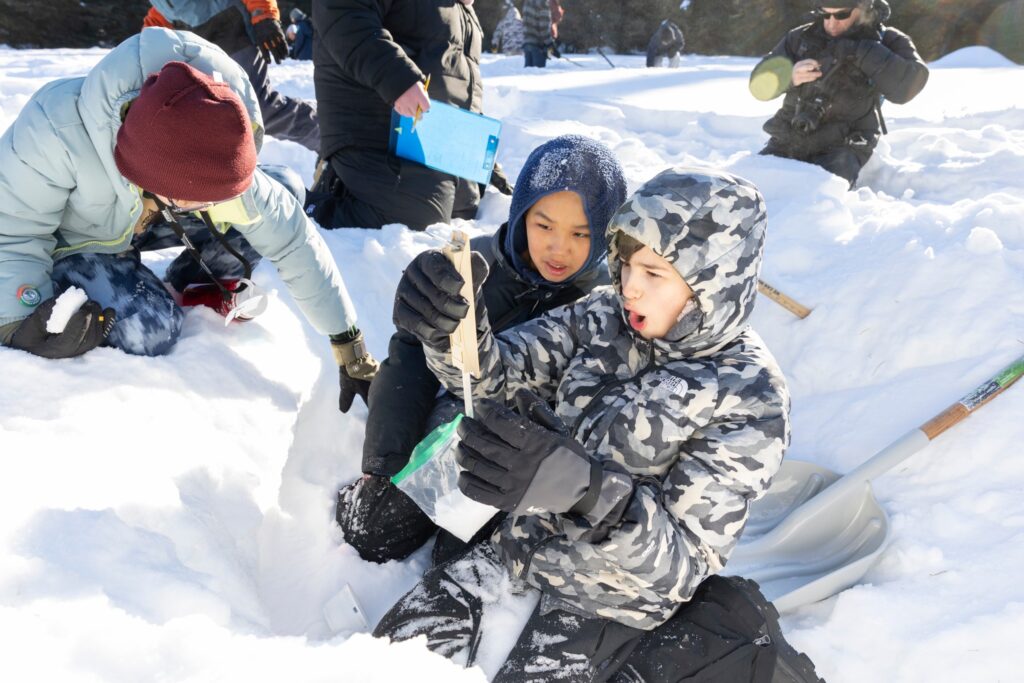
Students from across the state were in Anchorage March 22-28 to take part in the Alaska Native Science & Engineering Program’s Middle School Academy. The session brings together dozens of students from Alaska Gateway, Copper River and Matanuska-Susitna Borough school districts as well as 15 students from Bering Straits School District who missed their own session due to recent severe weather.
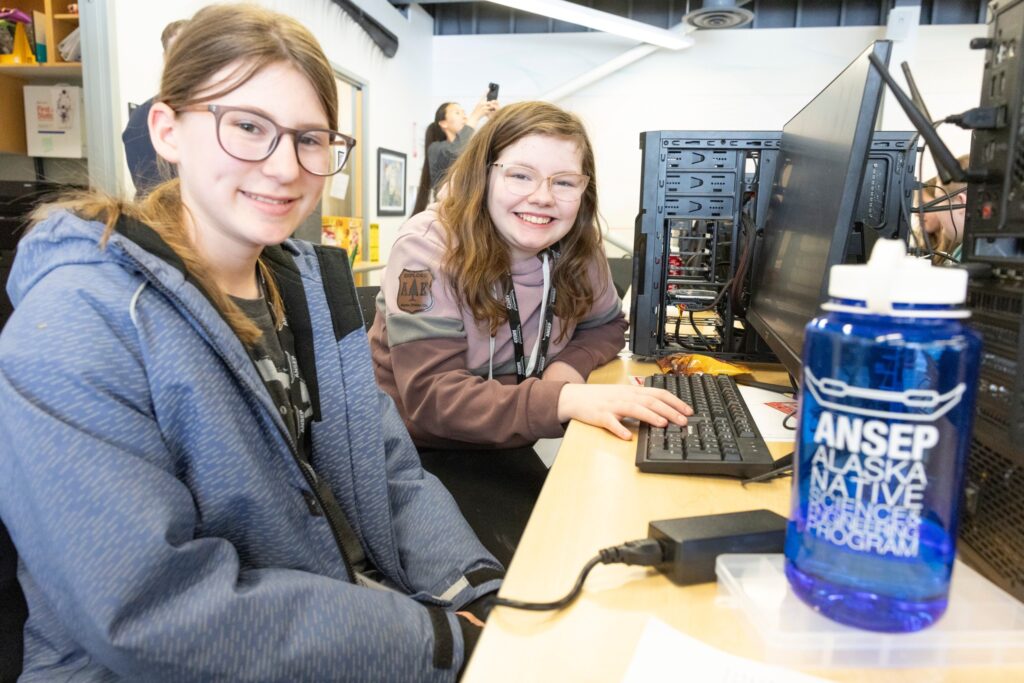
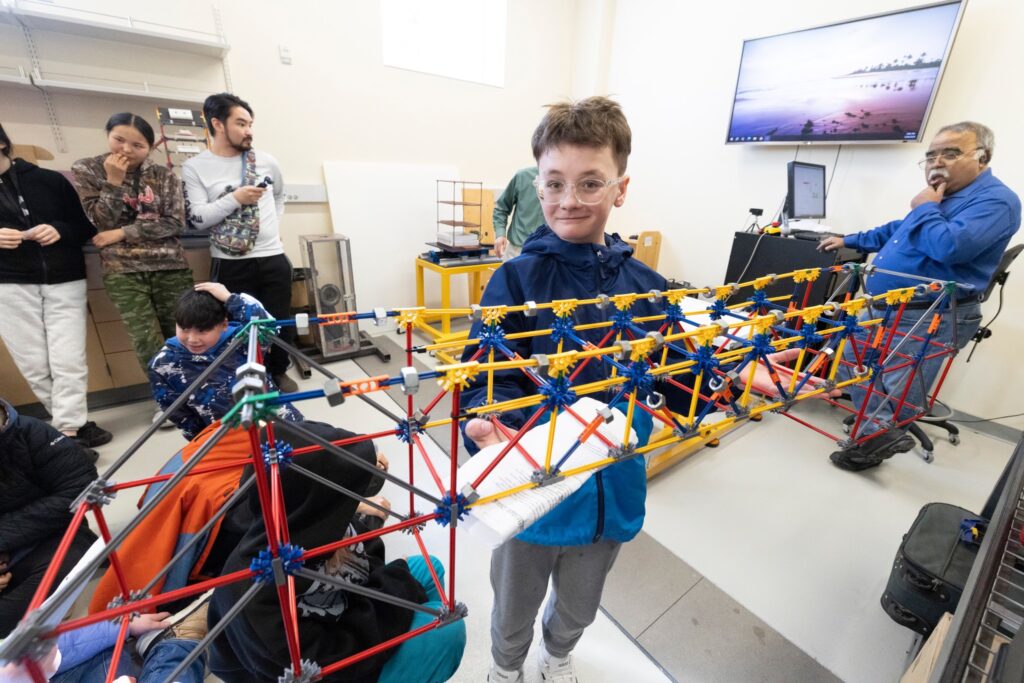
ANSEP’s Middle School Academy helps spark early interest in science, technology, engineering and math by nurturing curiosity and academic growth at a pivotal stage in students’ education. Throughout the week, students took part in immersive, hands-on learning experiences that introduced them to new skills and show how STEM connects to real-world careers. Activities included building computers, coding in Scratch, exploring electronic circuits and engineering structures. Plus, learning about other industries relevant to Alaska, like hydrology, geomatics, aviation, renewable energy and environmental science. Through teamwork, discovery and interactive exploration, students gain a deeper understanding of the many STEM opportunities they can pursue.
The ANSEP model engages students from kindergarten through college and even into post-graduate studies. Along the way, students become part of an educational community where students support each other through encouragement, mentorship and more. One highlight of the upcoming Middle School Academy is a hydrology module developed by Appalachian State University and taught by ANSEP University Success student Kadin Dayton as part of his internship experience. This marks a full-circle moment, as Kadin began his own ANSEP journey as a Middle School Academy student in 2017. Students will also participate in a new geomatics activity hosted by the University of Alaska Anchorage Geomatics Department, which introduces them to mapping and spatial technologies used in fields ranging from engineering to environmental science.
“Middle school is a formative time when students start to imagine what their future career could look like,” said ANSEP Executive Director Matt Calhoun. “When students discover what they are capable of early on, it builds confidence and curiosity that can guide them through their education and help them pursue opportunities they may not have otherwise considered.”
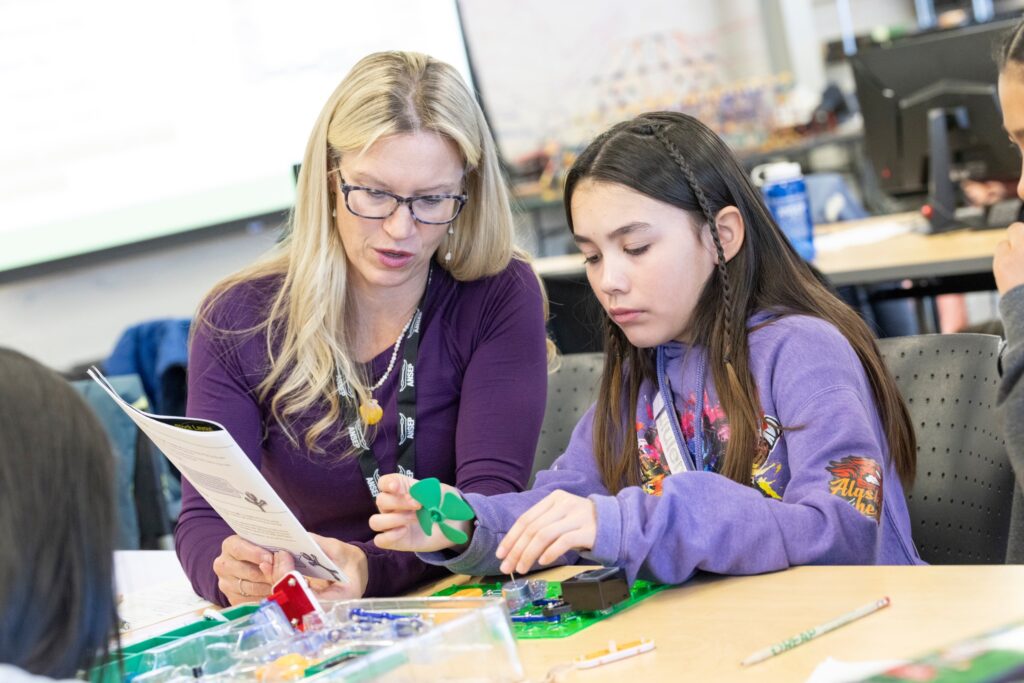
The collaboration with Appalachian State is one example of how research and academic partnerships can expand opportunities for students across the country. Rural communities in both Western North Carolina and Alaska are facing challenges related to climate change, and creating lessons that can benefit students from both regions and beyond is invaluable for expanding their academic opportunities and understanding how science impacts the real world.
It also brings to light unexpected bonds between two communities that might not seem naturally matched. The teams are even in the process of developing a middle school pen pal program for students in North Carolina and Alaska to further expand their sense of community and curiosity with peers.
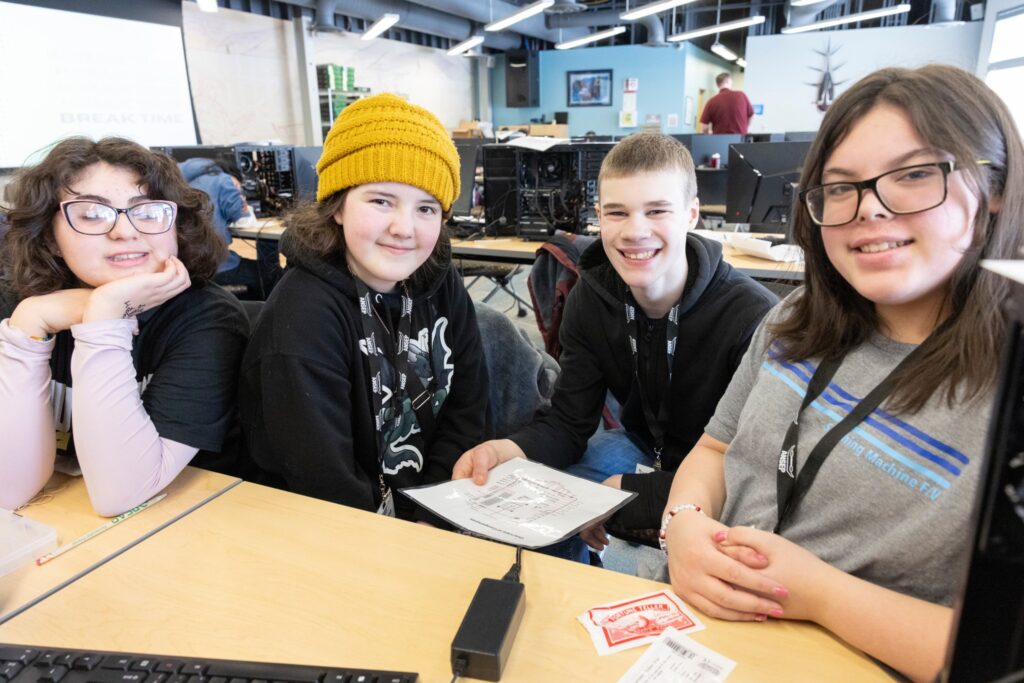
Alongside academic growth, connecting with peers from other schools and communities is a key part of ANSEP’s Middle School Academy. During their time in Anchorage, students stay in UAA residence halls and take part in activities including a pool night, sledding and attending UAA sporting events.
ANSEP helps students prepare for the next steps in their education both academically and socially by surrounding them with the community and support they need to explore opportunities across Alaska and beyond. For students from small, rural Alaska communities, those opportunities can be especially valuable because access to academic, social and professional experiences may otherwise be limited.
ANSEP offers opportunities to support every Alaska student. Elementary, middle and high school students across Alaska, as well as current university students who are interested in participating in ANSEP can learn more and apply today.